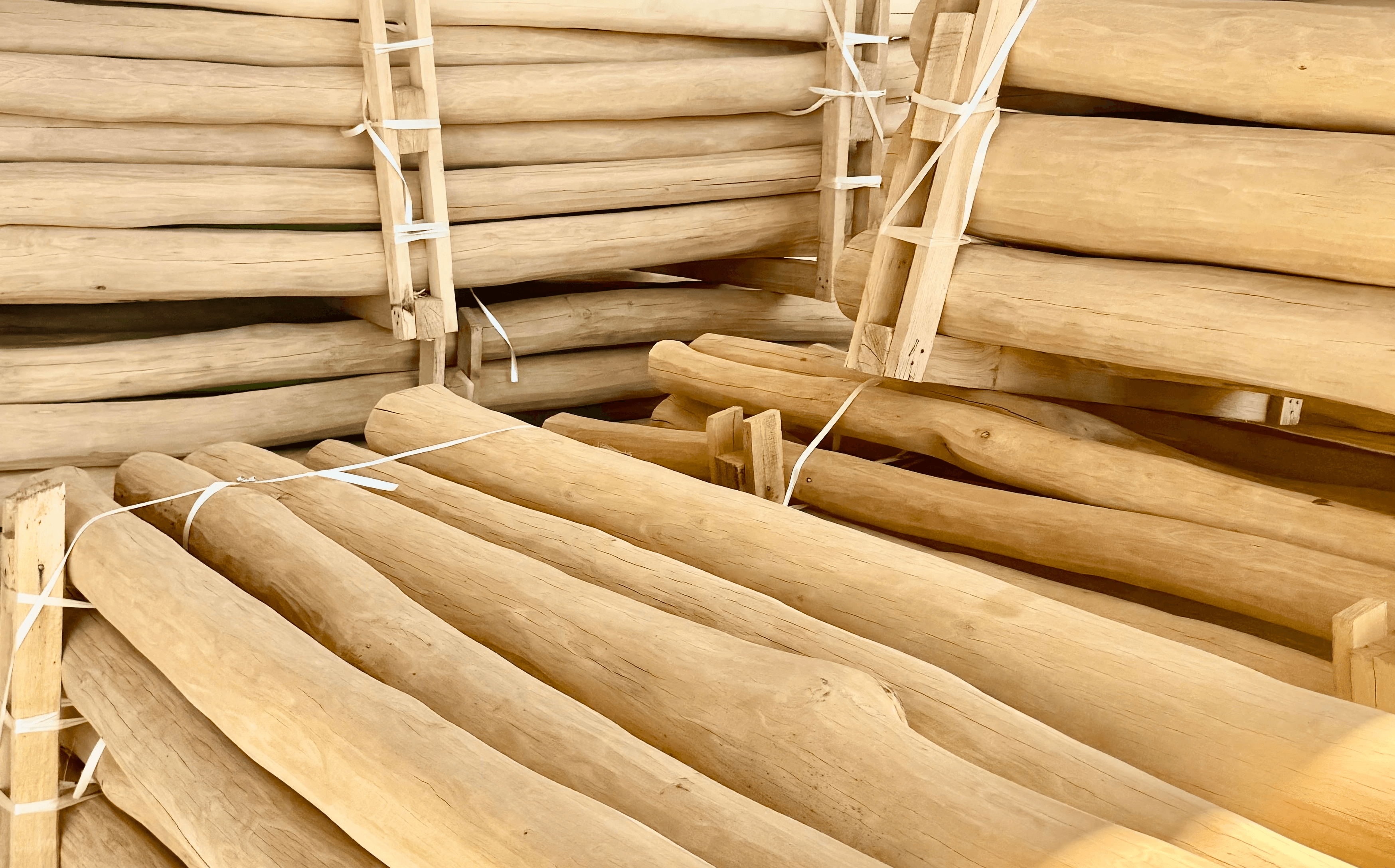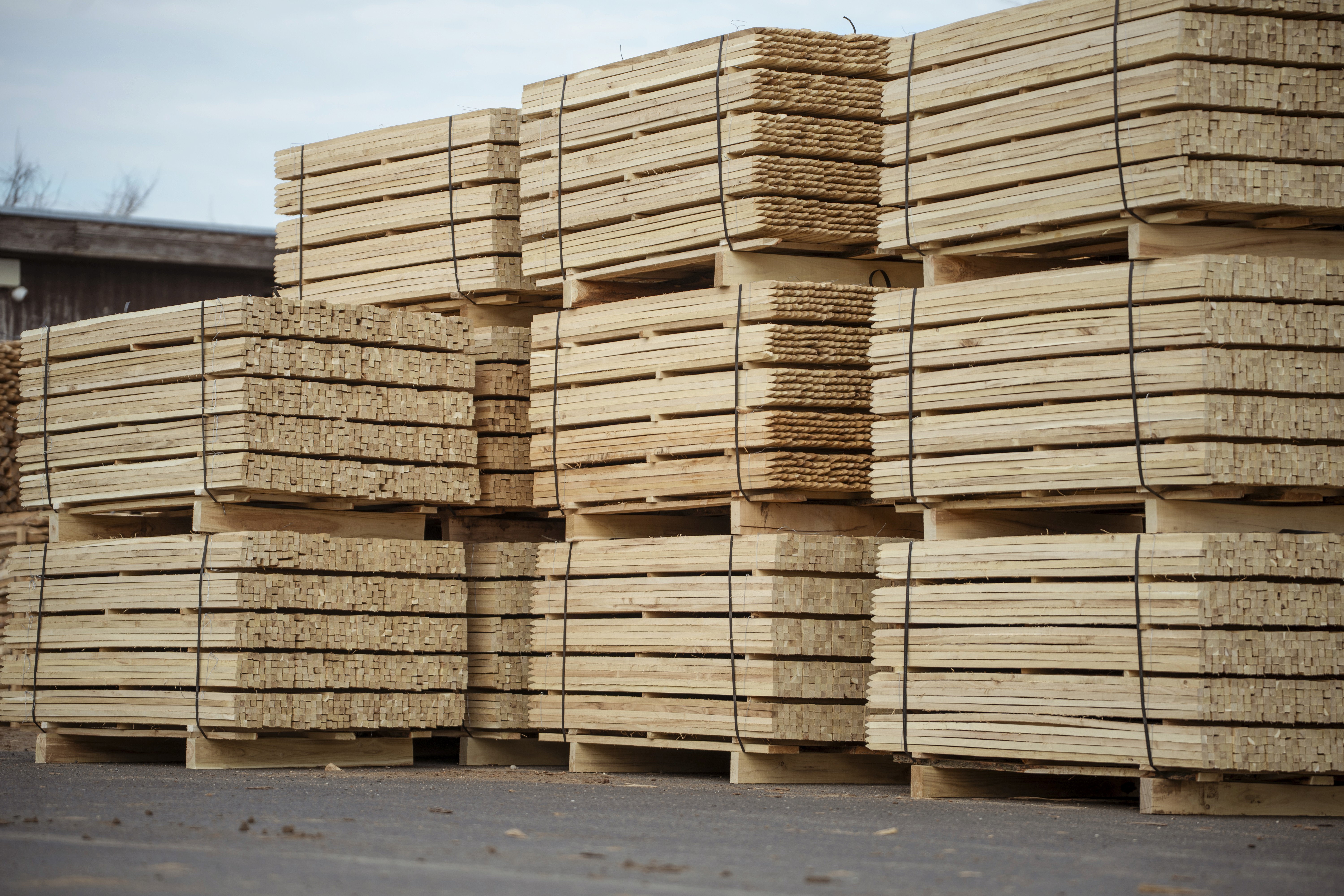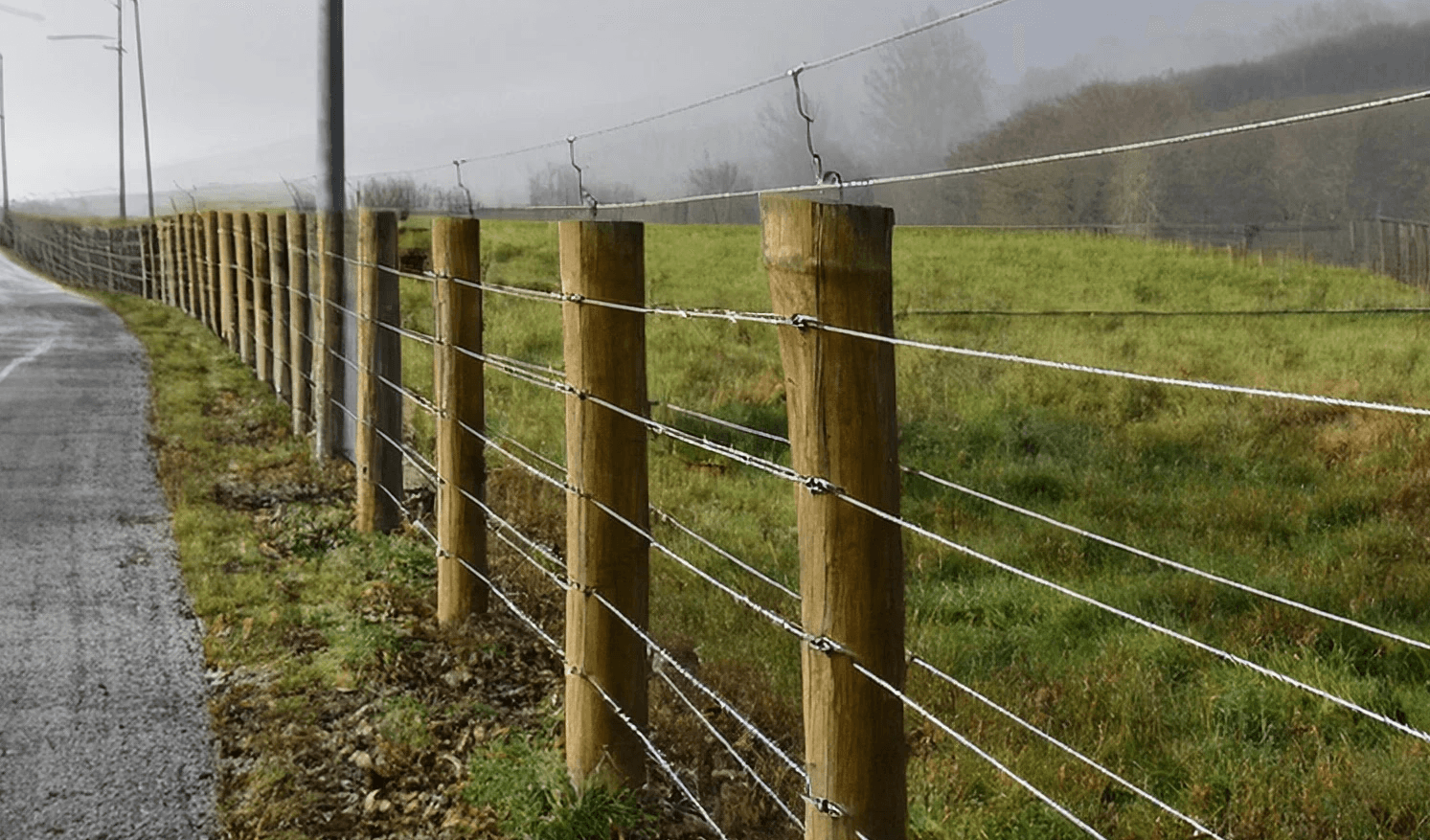
Wild protection fence made of robinia wood – The durable solution
Wildlife protection fences are crucial for protecting agricultural land, reforestation, and gardens from wildlife damage. But what material is the best choice? The answer is: Robinia wood. It offers a combination of durability, sustainability, and resilience that few other woods can match.
Advantages of Robinia Wood for Wildlife Protection Fences
Highest Durability Without Chemical Treatment
Robinia wood belongs to the Durability Class 1–2 according to DIN EN 350. This means:
up to 80 years lifespan outdoors, even with direct ground contact.
No chemical impregnation necessary – environmentally friendly and safe.
Natural Protection Against Moisture and Pests
Thanks to its high density and natural ingredients, Robinia wood is extremely resistant to:
Fungal Infestation
Insects
Rot
Perfect for posts that are permanently in the ground.
Sustainability and Locality
Robinia is a native wood and grows quickly. Robinia wood offers the following sustainability advantages compared to tropical woods:
Short Transport Routes
Lower CO₂ Emissions
Contribution to the protection of rainforests.
Economic Efficiency
Robinia wood is more expensive than pine or spruce, but it is still economical, because:
No further treatment required
Extremely long lifespan
In the long run, using Robinia wood for wildlife protection fencing saves costs and makes the fence the most economical solution.
Aesthetics and Stability
Robinia wood impresses with its natural coloration and extreme stability. Thus, the wildlife protection fence made from Robinia perfectly integrates into the natural surroundings, and the wood of Robinia is ideally suited for large wildlife protection fences that must withstand mechanical loads.
Conclusion
A wildlife protection fence made of Robinia wood is the most durable, sustainable, and safest solution for the protection of crops and forests.
Invest once – and benefit for decades.