Why is Robinia wood the sustainable alternative in water construction?
Water construction places special demands on materials: they must be extremely weather-resistant, durable, and environmentally friendly. For decades, tropical wood was considered the first choice – but this comes at the expense of rainforests. Robinia wood offers a sustainable, regional alternative that meets all the requirements.
Robinia Wood – the Local Hardwood with Tropical Hardwood Quality
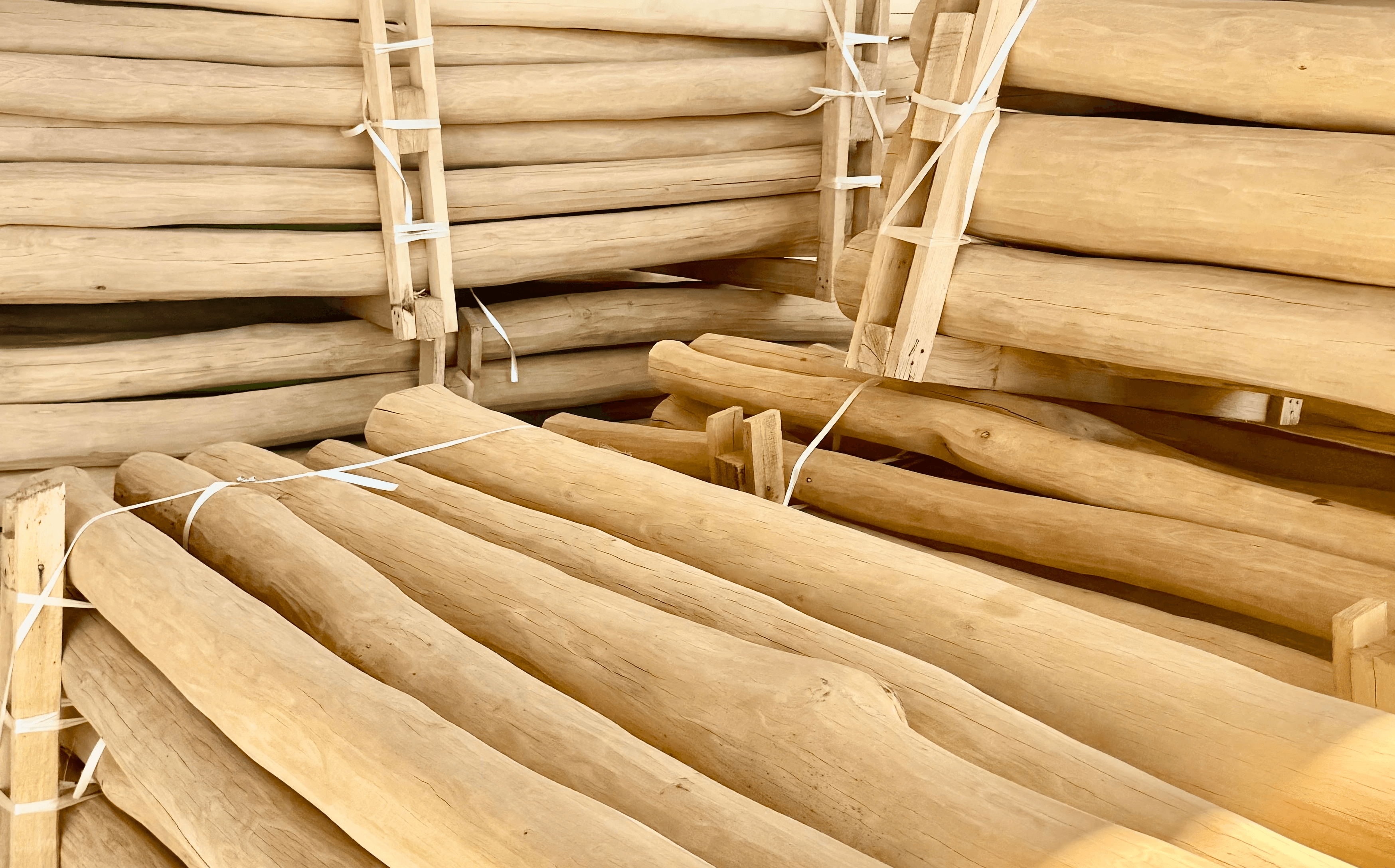
Robinia wood is the hardest wood in Europe and impresses with its natural durability. It requires no chemical treatment for use in hydraulic engineering and achieves lifespans of over 50 years – even under permanent water exposure.
Advantages over Tropical Wood
Ecological: No import from rainforest areas, short transport distances.
Sustainable: From local forestry, available FSC-certified.
Long-lasting: Comparable durability to teak or bangkirai.
Cost-effective: Lower transport costs and better availability.
Application Areas in Water Construction
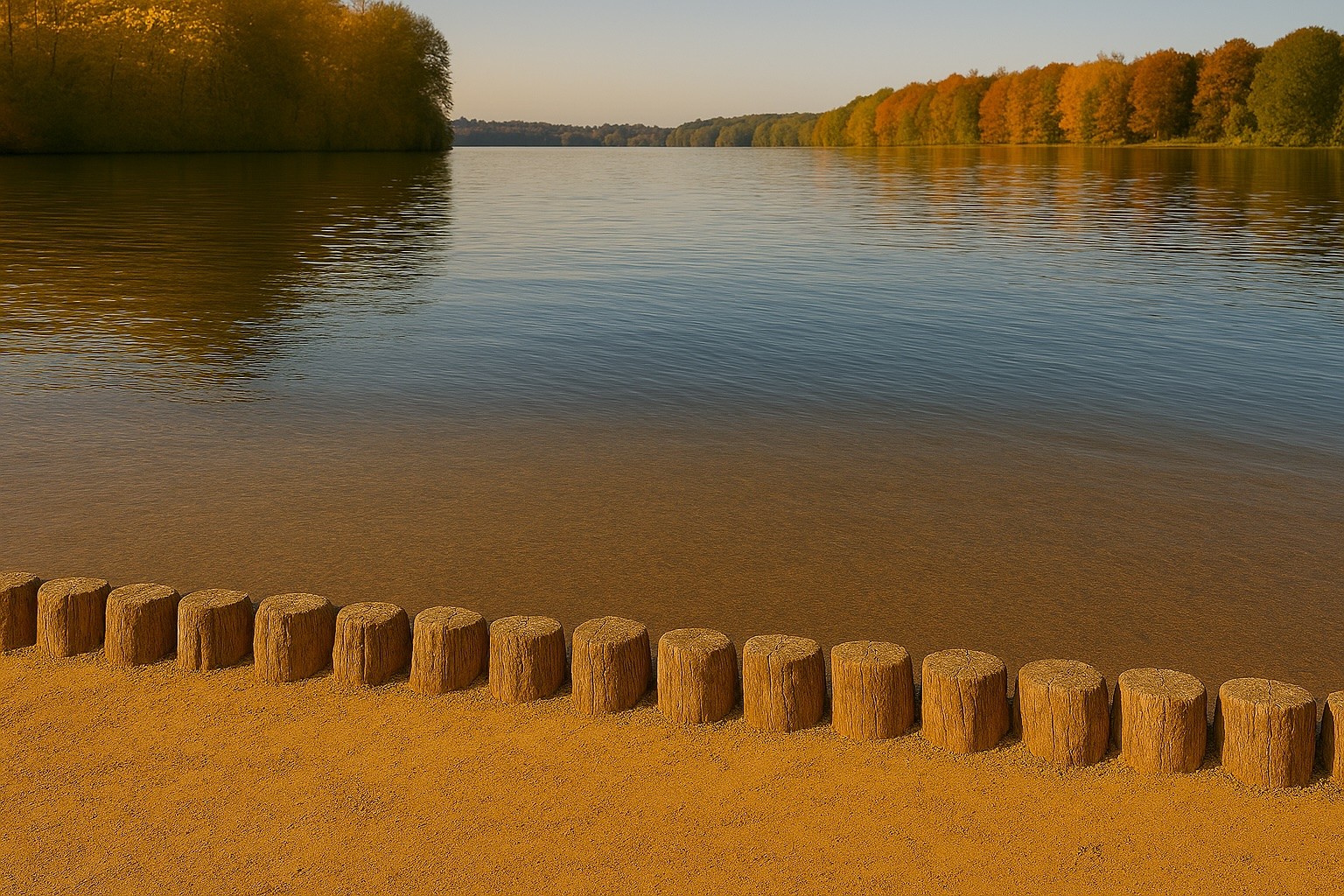
Bank protections and sheet piling
Docks and landings
Flood protection constructions
Nature and landscape protection projects
Learn more about the advantages and application areas of robinia wood in water construction.
Sustainability in Focus
The use of robinia wood reduces the ecological footprint and supports the circular economy. Municipalities and water construction companies can actively contribute to climate protection.
Conclusion
Robinia wood is more than just an alternative – it is the future of sustainable water construction. Those who choose robinia combine ecological responsibility with technical performance.