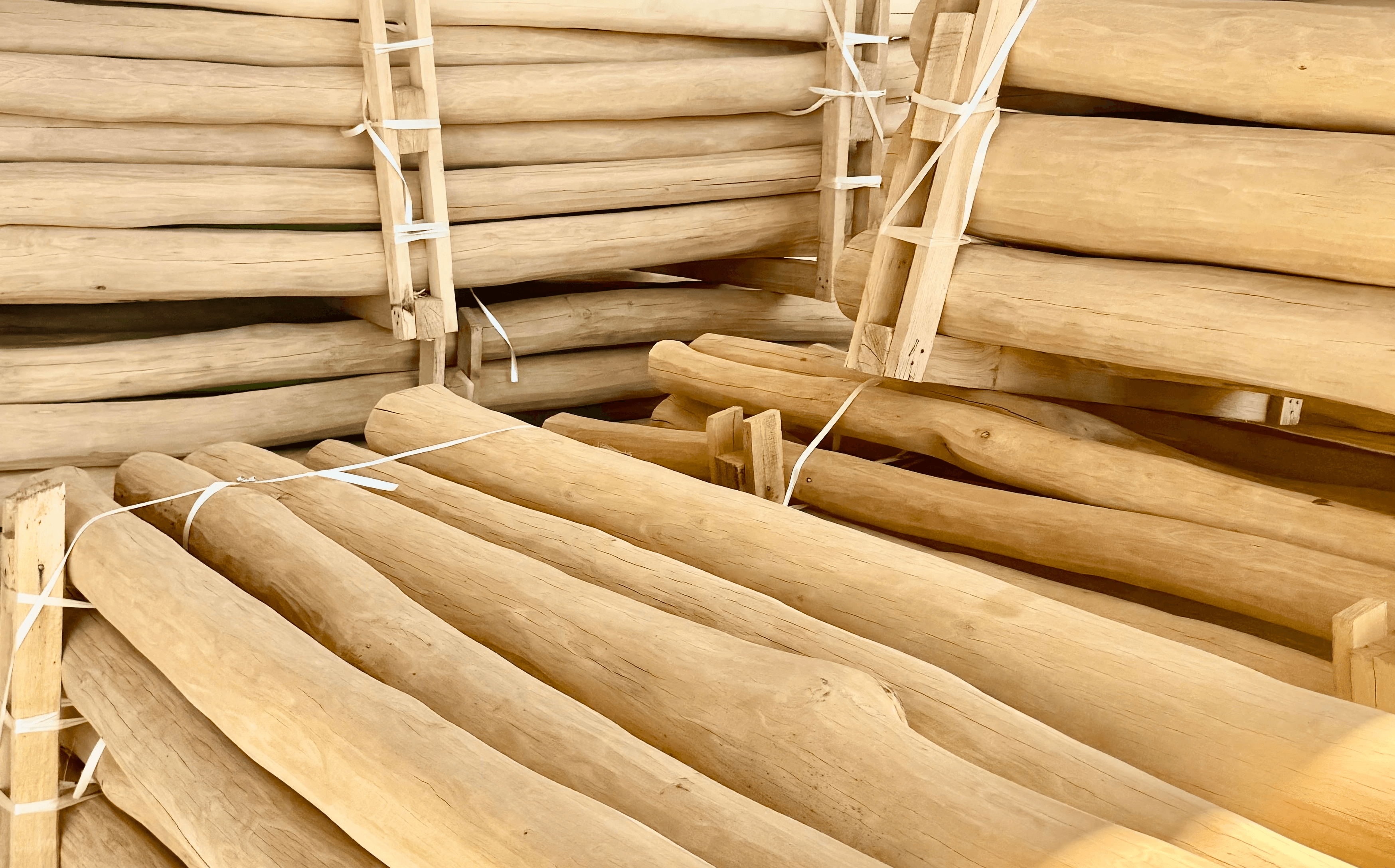
Storing robinia wood correctly: How to keep the wood beautiful and stable for the long term
Robinia wood is one of the most resistant and durable types of wood in Europe. Nevertheless, even this high-quality hardwood can develop cracks, warping or damage if stored incorrectly. Storing robinia wood correctly ensures that its natural quality and durability are preserved in the long term.
Why Correct Storage is Important
Like any natural product, robinia wood is dynamic. It absorbs moisture from the environment and releases it again. If the storage conditions are ignored, the following problems can occur:
Distortion and twisting
Excessive cracking
Mould growth due to insufficient ventilation
Discolouration caused by waterlogging
Loss of quality during further processing
Proper storage protects the robinia wood from these risks and preserves its valuable properties.
Never Place Robinia Wood Directly on the Ground
One of the most important rules is: robinia wood should never be stored directly on soil, concrete or paving.
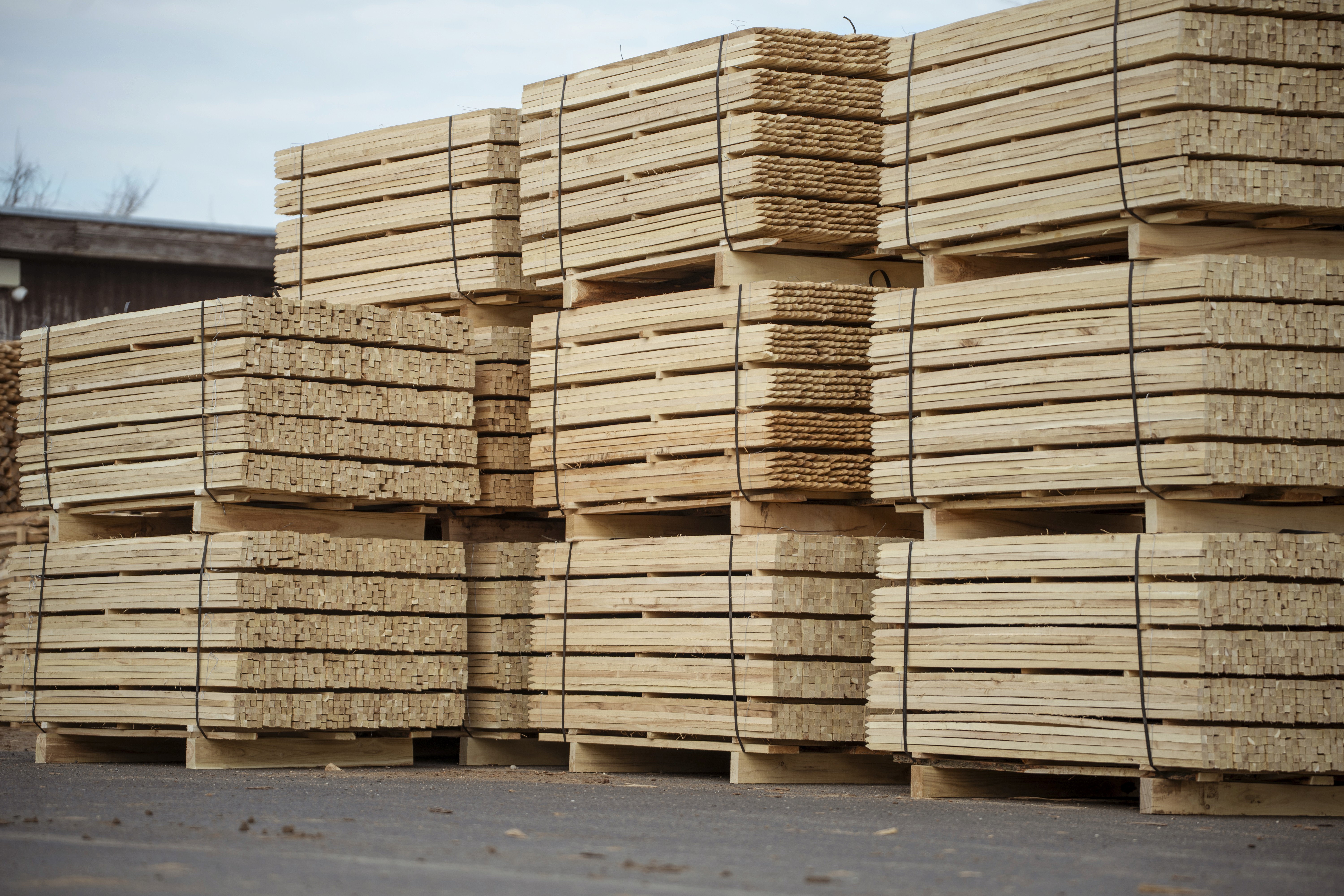
Instead, a subframe made of supporting timber or squared timber is recommended. This creates a sufficient distance from the ground and allows air to circulate underneath the wood.
Benefits:
Protection from rising damp
Better ventilation
Reduced risk of discolouration and mould
Ensure Adequate Air Circulation
Good ventilation is crucial for storing robinia wood.
Boards, planks or squared timber should be stacked with intervening stacking battens. These battens are placed at regular intervals between the individual layers of wood.
This allows air to circulate from all sides, ensuring that the wood dries evenly.
Important: The stacking battens should align exactly on top of each other to prevent deformation.
Protect from Direct Sunlight
Freshly sawn or freshly seasoned robinia wood should not be permanently exposed to blazing sun.
Excessive solar radiation can cause the surface to dry significantly faster than the interior of the wood. This increases the risk of:
Tension cracks
End splits
Warping
A shady, well-ventilated storage area is ideal.
Protect from Precipitation – but Do Not Cover Airtight
Robinia wood should be protected from rain and snow. At the same time, it must not be wrapped airtight.
A fully enclosed plastic sheet can trap moisture and promote the formation of condensation.
Better alternatives are:
open shelters
carports
covered storage areas
breathable covers
The sides should remain as open as possible to allow air to circulate freely.
Storing Robinia Wood Outdoors
For short-term outdoor storage, robinia wood is particularly suitable due to its natural resistance.
The following points should be observed:
raised storage on supporting timber
protection against waterlogging
covering to protect against direct weather exposure
sufficient ventilation from all sides
Even with longer outdoor storage, regular checks for moisture accumulation or deformation are recommended.
Storing Robinia Wood Indoors
If the wood is to be used later in interior design or furniture making, it should be allowed to acclimatise sufficiently before processing.
Ideal conditions are:
dry rooms
constant temperatures
good air circulation
protection from severe fluctuations in humidity
This allows the wood to adapt to the future indoor climate and remain dimensionally stable.
Special Instructions for Robinia Posts
Robinia posts are frequently used in gardening and landscaping. Before installation, they should:
be stored dry,
have no permanent contact with the ground,
be protected from waterlogging.
Even though robinia is naturally extremely durable, proper storage further extends its lifespan.
Conclusion
Robinia wood is robust and durable, yet still benefits from professional storage. Key factors include dry ground, sufficient ventilation, protection against direct weather elements and a shaded storage location. Anyone who observes these simple basic rules preserves the high quality of the wood and creates the best conditions for a long service life.
At ROBINIO, we recommend always storing robinia wood dry, well-ventilated and off the ground. In this way, the natural properties of this extraordinary hardwood are optimally preserved.