Robinia - toxic for horses?
Many horse owners wonder: Is robinia wood toxic to horses? The answer is: Yes – but only in its natural form. When processed correctly, a fence made of robinia wood is completely safe.
Which parts of the Robinia are toxic to horses?
Robinia contains toxic substances in its bark and leaves, such as toxalbumins and glycosides, which can lead to poisoning if ingested. Therefore, horses must not nibble on living Robinia.
The bark, especially the inner bark, is the main source of the toxins. The seeds of the Robinia (in the pods) also contain toxic proteins and lectins (e.g., robin, phasin) that can cause nausea, weakness, and neurological issues if swallowed. Additionally, the leaves and young shoots contain the toxalbumins robin and phasin – especially young shoots are highly toxic. Similar to the leaves, the branches are also loaded with toxic proteins.
Why are paddock fences made of Robinia wood still safe for horses?
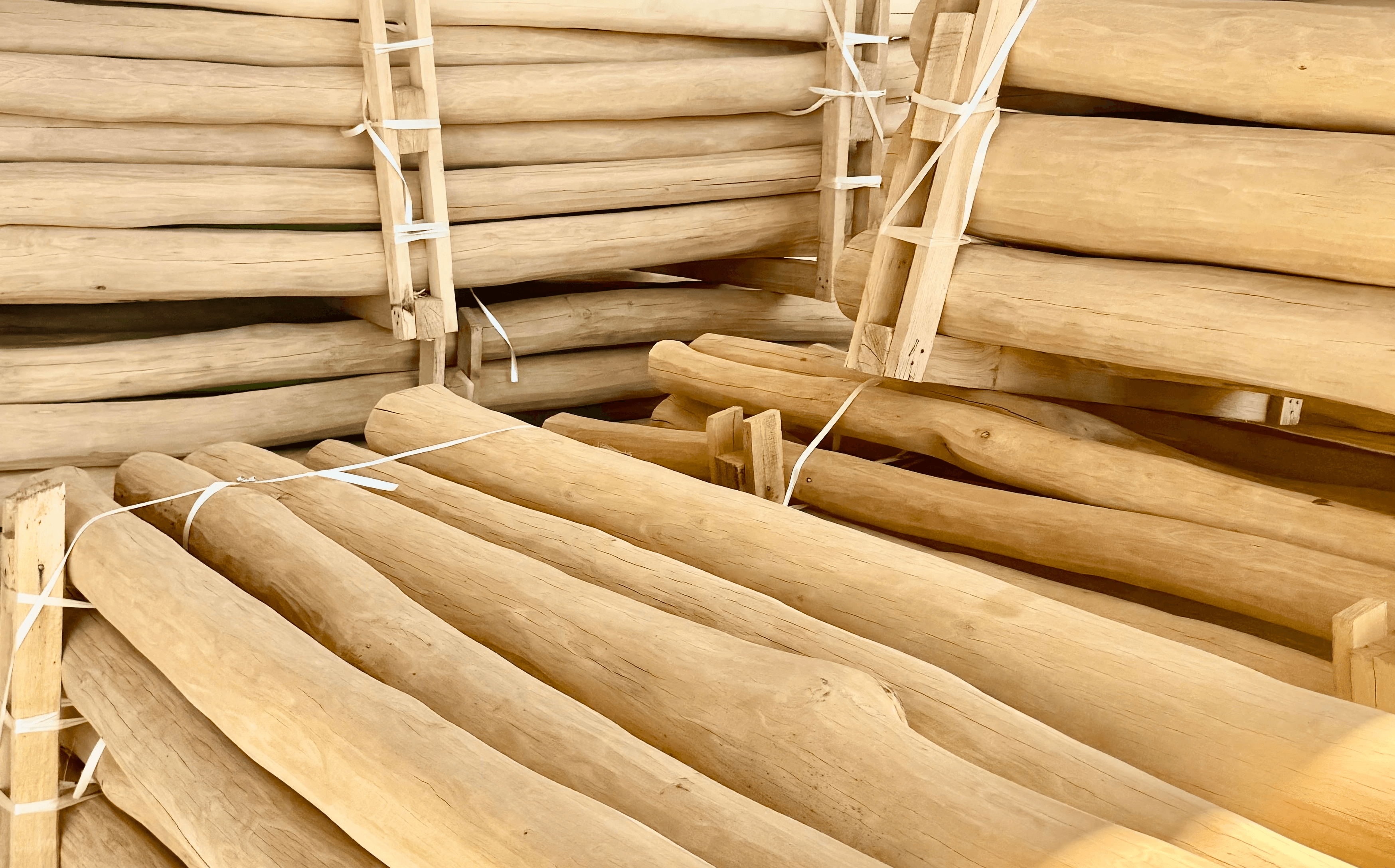
For paddock fences, the wood is completely debarked and dried. This process removes the toxic components. Professionally peeled and dried Robinia posts are free from toxins and therefore safe for use in horse paddocks.
Advantages of Robinia wood for paddock fences
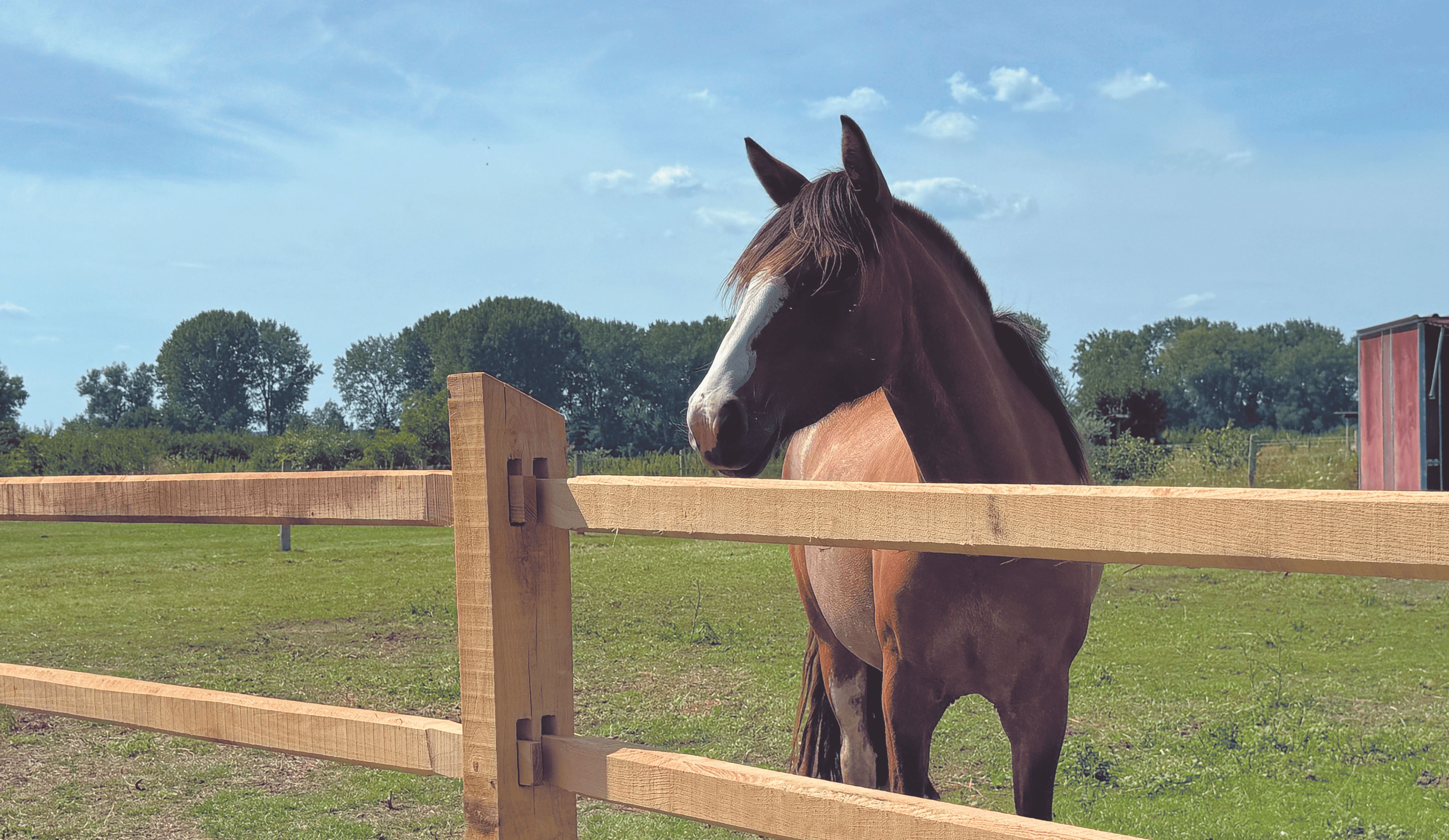
The use of Robinia wood for paddock fences is therefore unproblematic and has many advantages over other types of wood:
Extremely durable: Durability class 1–2, lifespan up to 80 years without chemical treatment
Weather-resistant: High resistance to moisture, fungi, and insects – ideal for outdoor areas
Sustainable: European hardwood, no tropical wood imports, no treatment necessary
Natural design: Rustic appearance, harmoniously blends into the landscape
Safe for horses: No risk of splinters, no toxic residues with proper processing
Conclusion
A paddock fence made of Robinia wood is the perfect combination of safety, durability, and sustainability. When the posts are debarked and dried, there is no risk to horses. Rely on quality and protect your animals – with Robinia wood.