Is Robinia an invasive species? Between conservation debate and sustainable future timber.
Robinia (Robinia pseudoacacia), also known as the "false acacia", is a polarising species. While it is often classified as an invasive species from a nature conservation perspective, it is also considered one of the most sustainable and efficient woods in Europe for forestry and construction. How does this fit together? And what does responsible management of Robinia look like?
Origin and Classification: What exactly is the Robinia?
The Robinia originally comes from eastern North America and was introduced to Europe as early as the 17th century. In Germany, it is now predominantly found in dry, sandy regions such as Brandenburg, Saxony-Anhalt, and parts of Bavaria.
Botanically, it belongs to the legumes (leguminous plants) and has a special characteristic: It can bind air nitrogen with the help of nodule bacteria, allowing it to populate very nutrient-poor soils.
Why is the Robinia considered invasive?
From a conservation perspective, Robinia is often assessed as an invasive neophyte in Germany. The reasons for this are well-documented:
It spreads not only through seeds but also significantly through root runners.
By enriching nitrogen, it alters nutrient-poor sites.
Particularly dry and poor grasslands with rare species can be displaced.
Once established, populations are difficult to remove.
Therefore, since 2020, the planting of non-native tree species like the Robinia in the wild in Germany is no longer exempt from permits.
Important: "Invasive" does not mean inherently harmful in this context, but describes an increased risk in sensitive natural areas.
The Other Side: Why the Robinia is Still a Great Opportunity
Despite – or precisely because of – its special characteristics, Robinia is increasingly viewed in the expert community as a strategically important tree species in climate change.
Extremely Climate-Resilient
The Robinia:
withstands heat and long dry periods.
grows on poor, erosion-prone soils.
deals better with many pests than native tree species.
Thus, it is one of the few broadleaf species that can reliably grow under future climate conditions.
Robinia Wood: A Sustainable High-Performance Wood from Europe
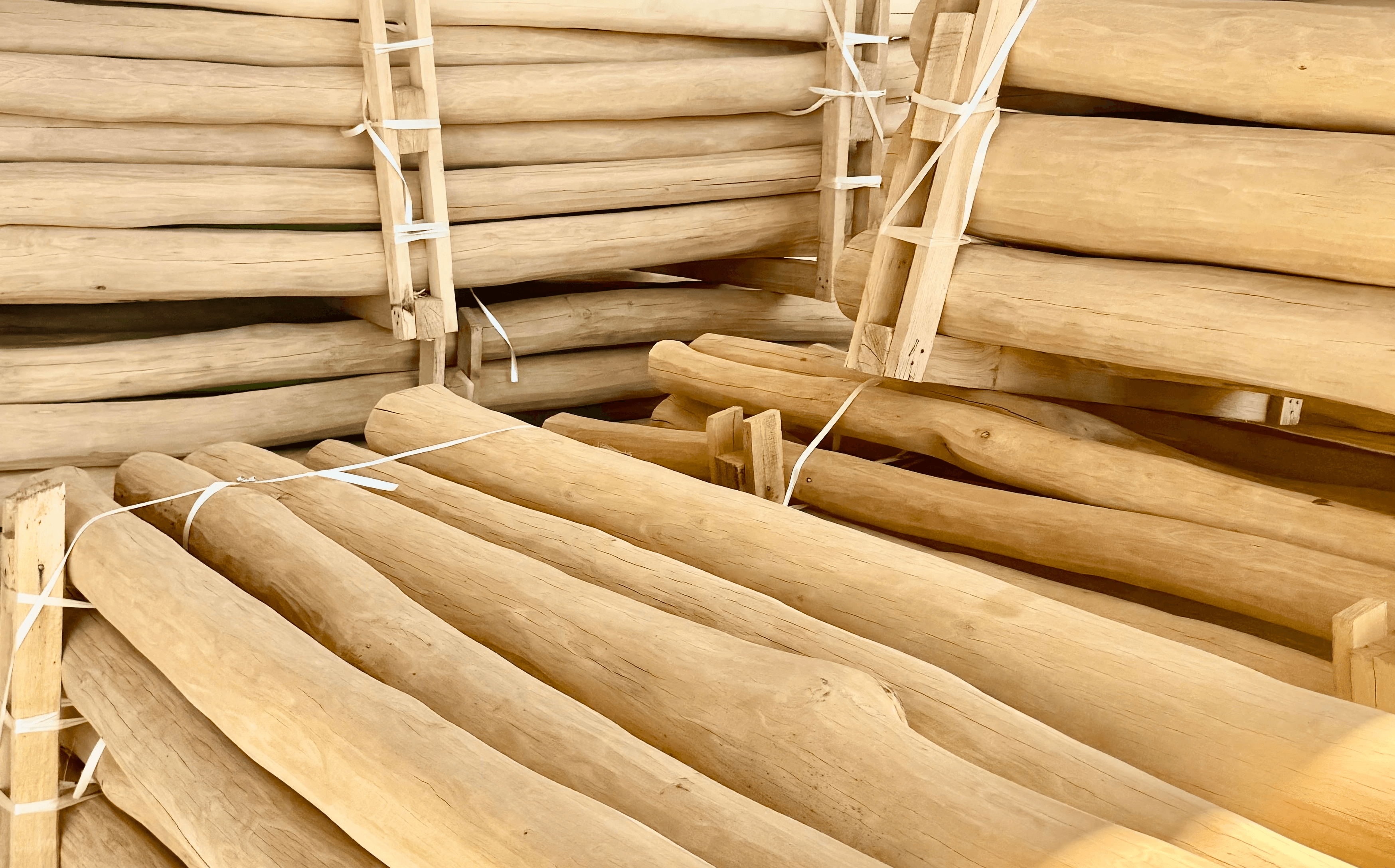
Particularly noteworthy is the exceptional utility of Robinia wood. It is considered the most durable European wood and is a genuine alternative to tropical wood in many applications.
Outstanding Properties of Robinia Wood
Durability class 1–2 (comparable to tropical woods)
Very high density and strength.
Naturally resistant to fungi and insects – without chemical treatment.
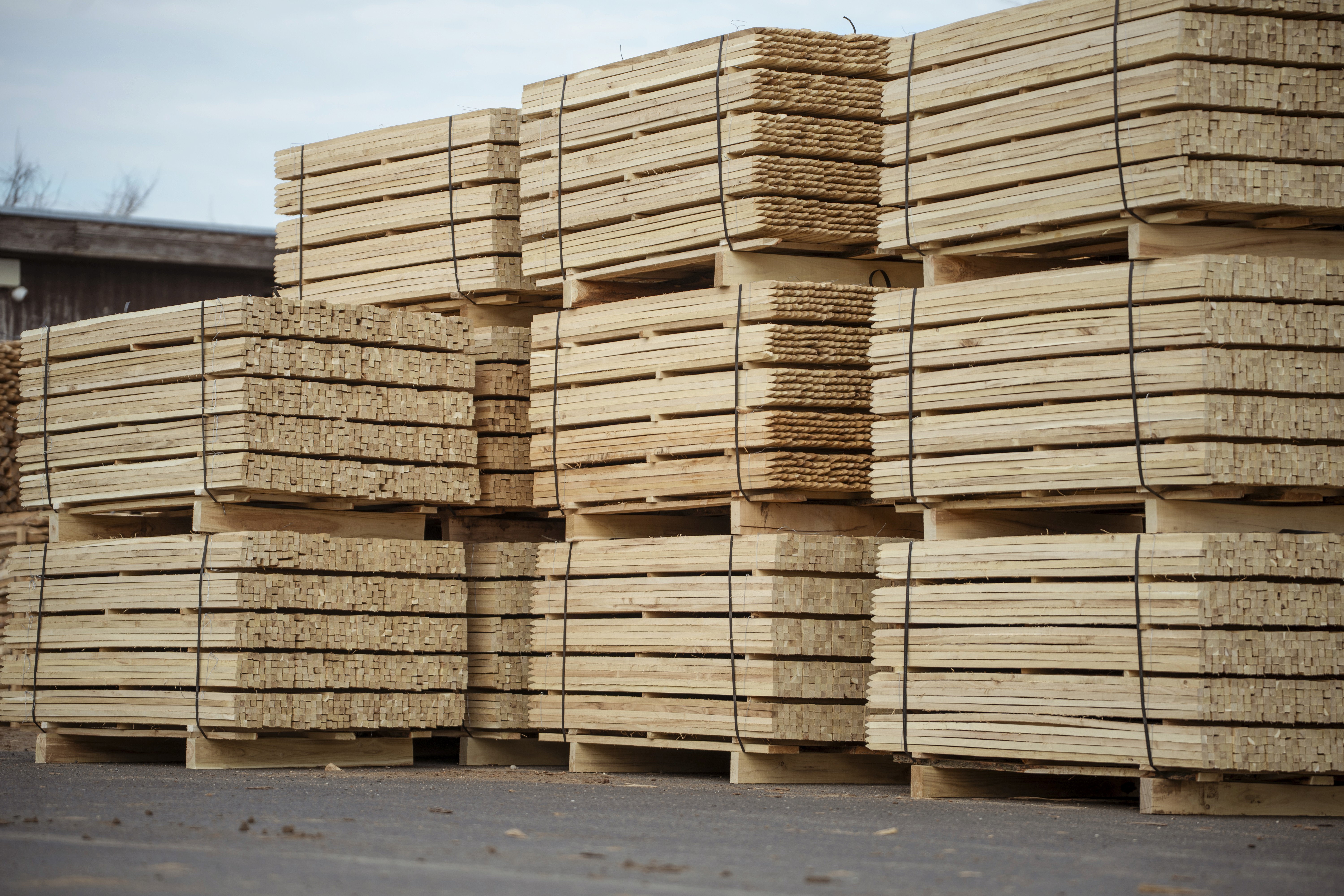
Ideal for outdoor use: Terraces, playground equipment, posts, bridges, facades.
Robinia wood is even harder than oak and significantly more durable than many other native woods.
Sustainability in Practice: Why Robinia Can Be Ecologically Sensible
When used correctly, the Robinia offers concrete ecological benefits:
Regional value creation instead of tropical wood imports.
Very rapid growth → high CO₂ binding.
Long service life → less frequent replacement, reduced resource consumption.
Utilization of already existing stocks instead of replanting in sensitive biotopes.
In countries like Hungary, the Robinia has been an economically established tree species for decades and occupies a large part of the forest area there.
Not an Either-Or, but a Responsible Both-And
The discussion about the Robinia shows: Conservation and sustainable wood use must be thought of together.
A sensible approach means:
Protecting sensitive natural areas from uncontrolled spreading.
No blanket condemnation of existing stocks.
Targeted use of the Robinia where it is ecologically justifiable.
Conscious use of Robinia wood as a durable, sustainable resource.
Conclusion: Is the Robinia Invasive? Yes – but it is also a Future Wood
The Robinia is undoubtedly a non-native species with invasive potential. At the same time, it is one of the most sustainable, robust, and climate-fit woods in Europe.
Especially in times of climate change, resource scarcity, and the desire for durable, regional materials, Robinia wood can make an important contribution to sustainable construction and design – provided its use is carried out responsibly and based on expertise.