¿Es tóxica la robinia para los caballos?
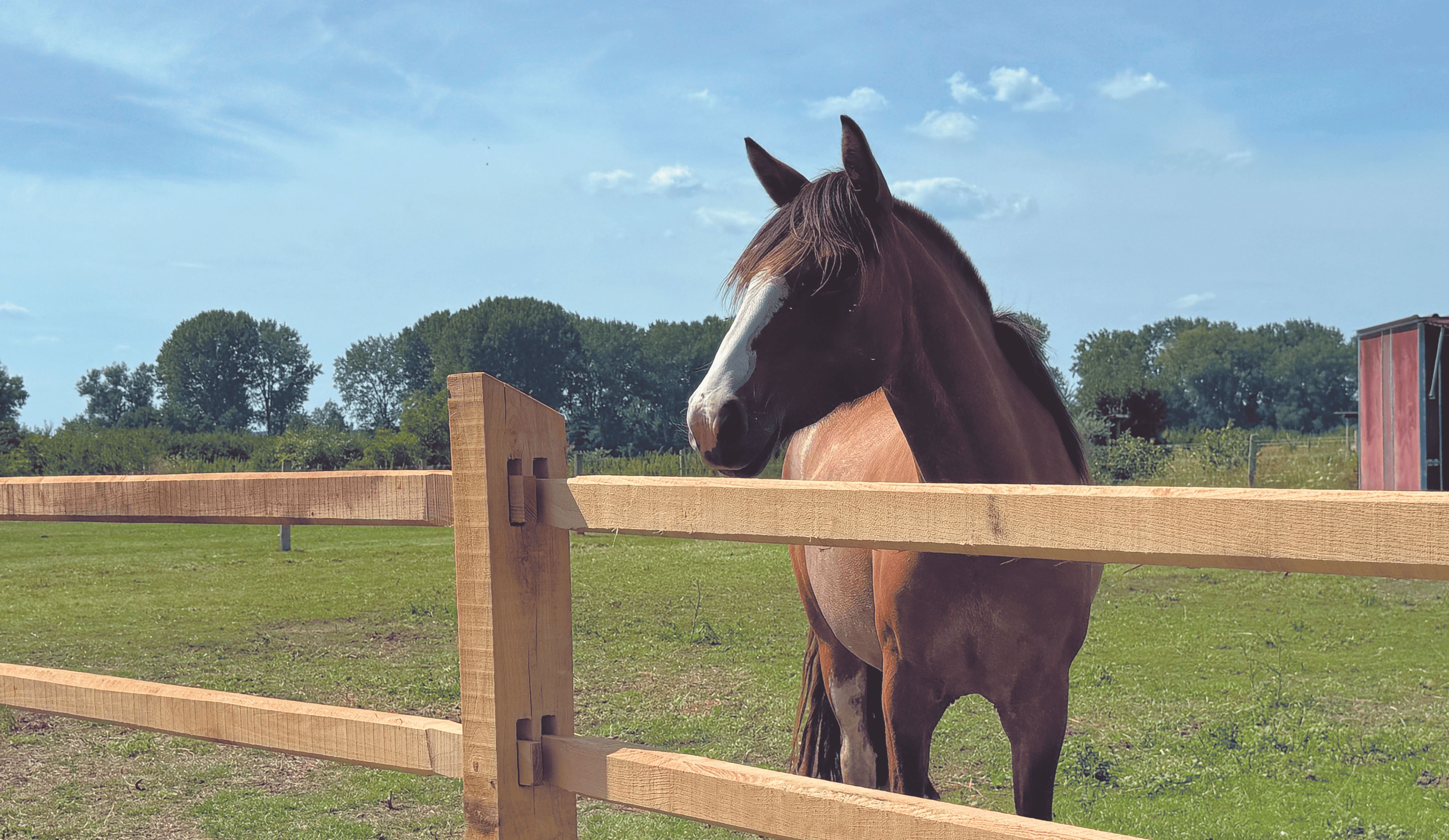
Muchos propietarios de caballos se preguntan: ¿Es tóxica la madera de robinia para los caballos? La respuesta es sí, pero solo en su forma natural. Con un procesamiento adecuado, una valla de corral de madera de robinia es completamente segura.
¿Qué partes de la planta de la robinia son tóxicas para los caballos?
La robinia contiene en su corteza y hojas sustancias tóxicas como toxalbúminas y glucósidos, que al ser ingeridos pueden causar envenenamiento. Por lo tanto, los caballos no deben mordisquear robinias vivas.
La corteza, especialmente la corteza interna, es la principal fuente de toxinas. Las semillas de la robinia (en las vainas) también contienen proteínas y lectinas tóxicas (por ejemplo, robinina, fasina), que al ser ingeridas pueden provocar náuseas, debilidad y problemas neurológicos. Además, las hojas y brotes jóvenes contienen las toxalbúminas robinina y fasina; los brotes jóvenes son especialmente venenosos. Al igual que las hojas, las ramas también están cargadas de proteínas tóxicas.
¿Por qué son seguros los cercados de robinia para caballos?
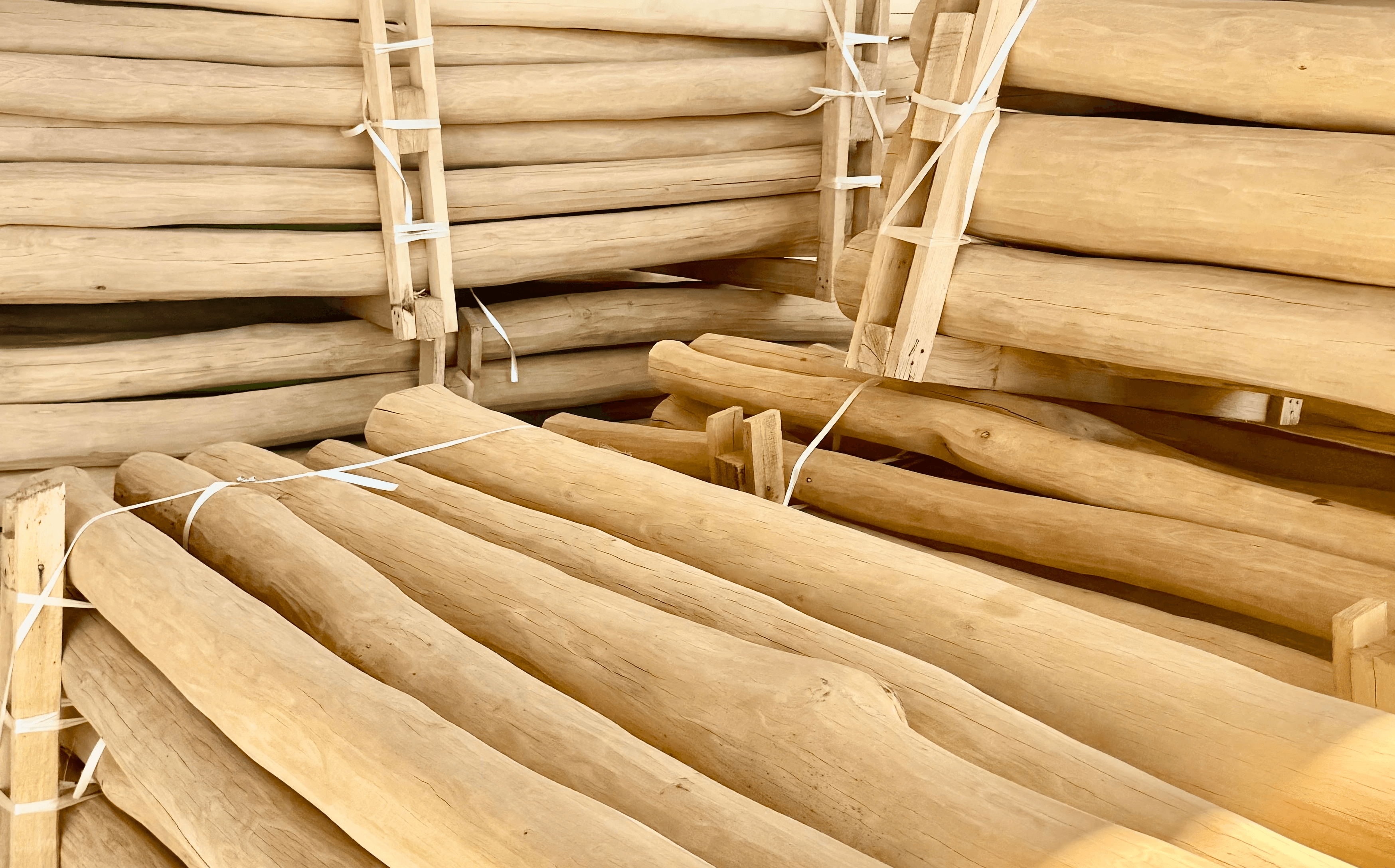
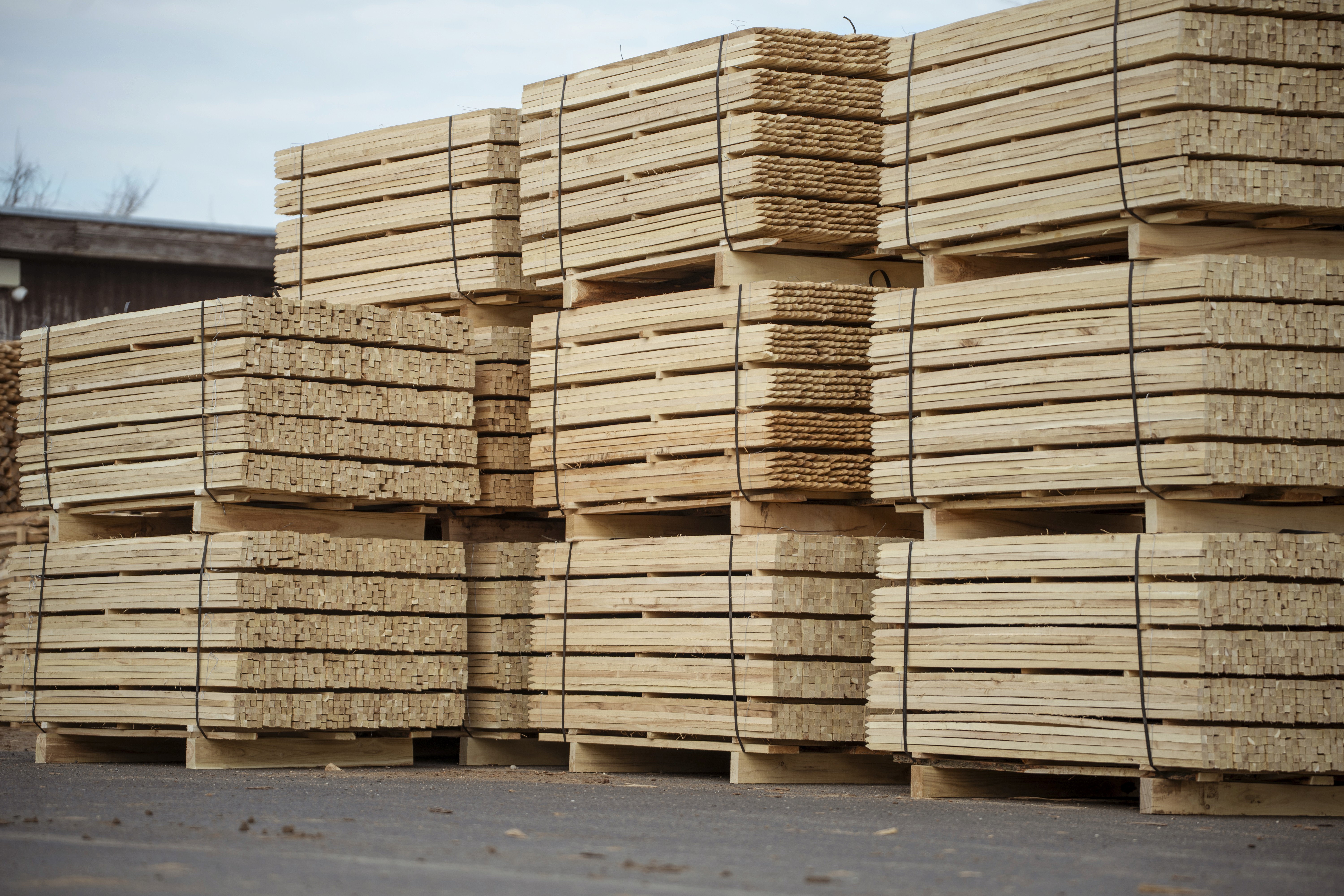
Para los cercados se utiliza madera totalmente desprovista de corteza y seca. Así, desaparecen los componentes tóxicos. Los postes de robinia, pelados y secados adecuadamente, están libres de sustancias tóxicas y por ende son seguros para su uso en prados de caballos.
Ventajas de la madera de robinia para cercados
El uso de madera de robinia para cercados no supone riesgos y ofrece muchas ventajas frente a otras maderas:
Extremadamente duradera: Clase de durabilidad 1–2, vida útil de hasta 80 años sin tratamiento químico
Resistente al clima: Alta resistencia a la humedad, hongos e insectos, ideal para exteriores
Sostenible: Madera dura europea, sin importación de maderas tropicales, no requiere impregnación
Diseño natural: Aspecto rústico, se integra armoniosamente en el paisaje
Seguro para caballos: Sin riesgo de astillas, sin residuos tóxicos con un procesamiento adecuado
Conclusión
Un cercado de madera de robinia es la combinación perfecta de seguridad, durabilidad y sostenibilidad. Cuando los postes están desprovistos de corteza y secos, no hay riesgo alguno para los caballos. Opte por la calidad y proteja a sus animales: elija madera de robinia.